

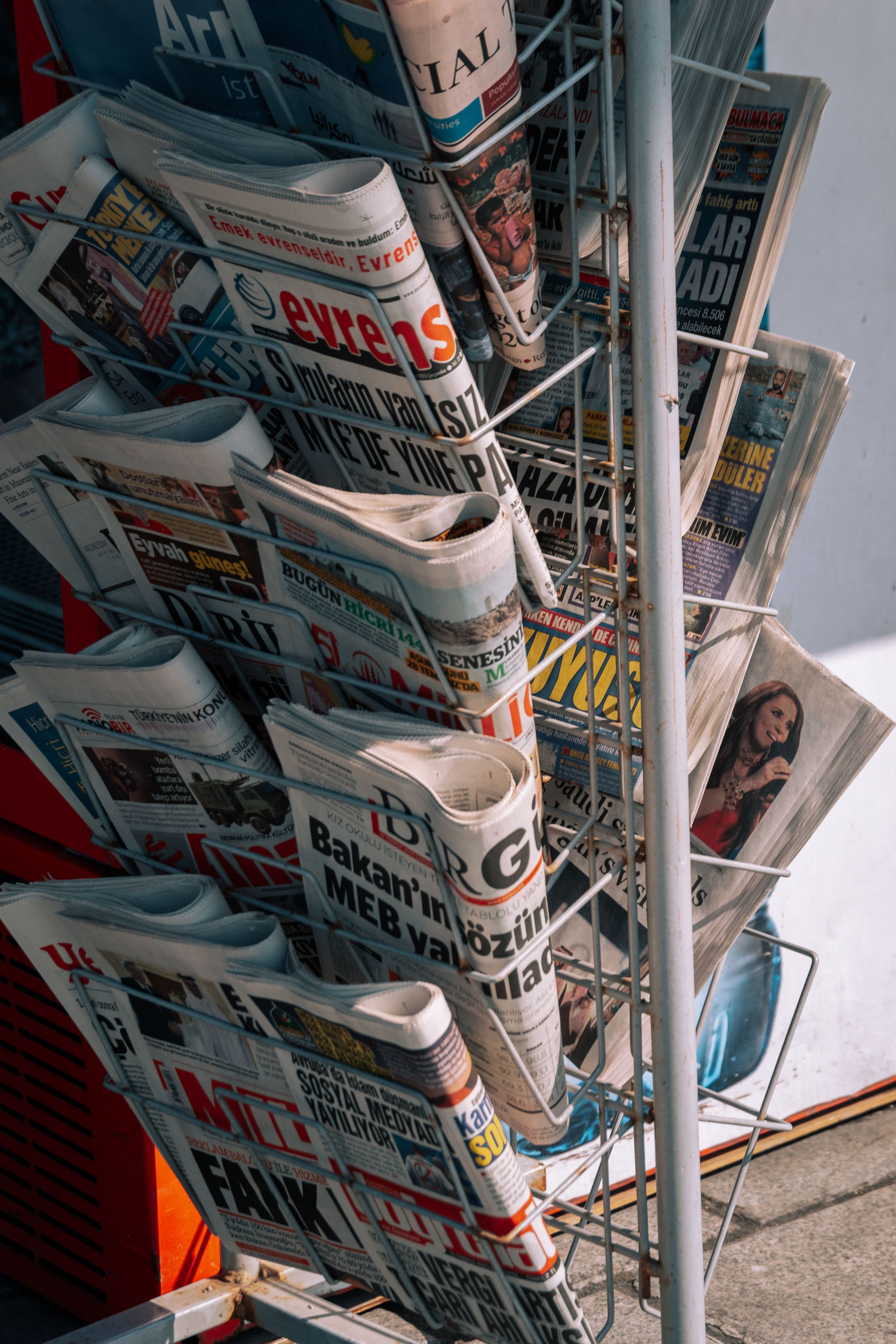
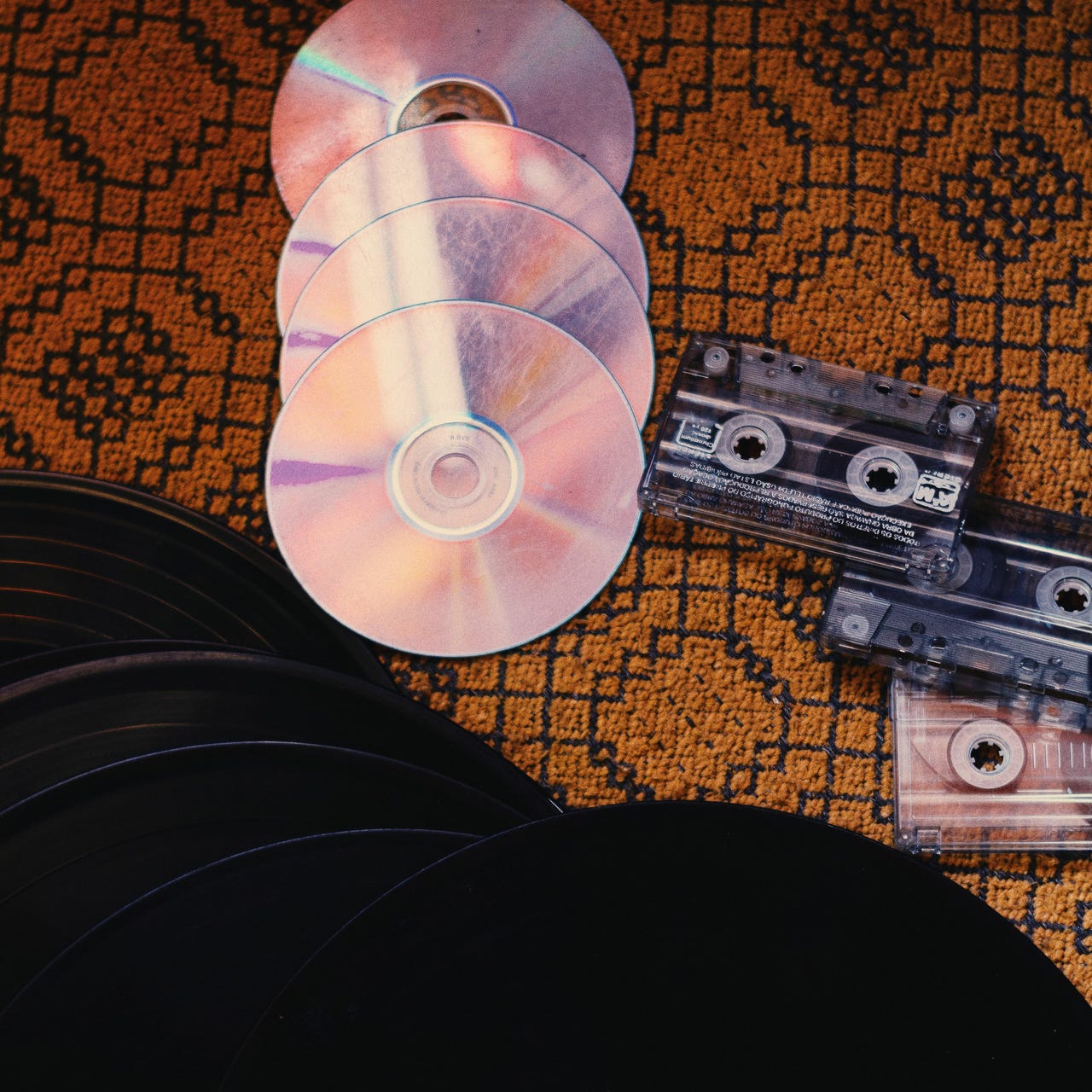
Digital media might be the primary medium these days but it’s impressive that print media has survived to this day. When you compare news and books with music, films and television shows, you notice that people consume that sort of content through streaming whether it’s Netflix or Spotify. Blu-rays, Vinyl, cassettes etc. might be a thing of the past but they still cater to niche hobbyists (like me, you can check out where I discuss my love for physical media here: Turyal’s Physical Media). Print media, on the other hand, still caters to a general audience. Bookstores still exist and are quite popular whether you are walking through the streets of Baghdad, Cairo or London. Yes, ebooks do exist and there are devices like Kindle but physical books have not gone out of style. Physical newspapers and magazines might not be as popular as physical books in the current era, but they still play an important role.
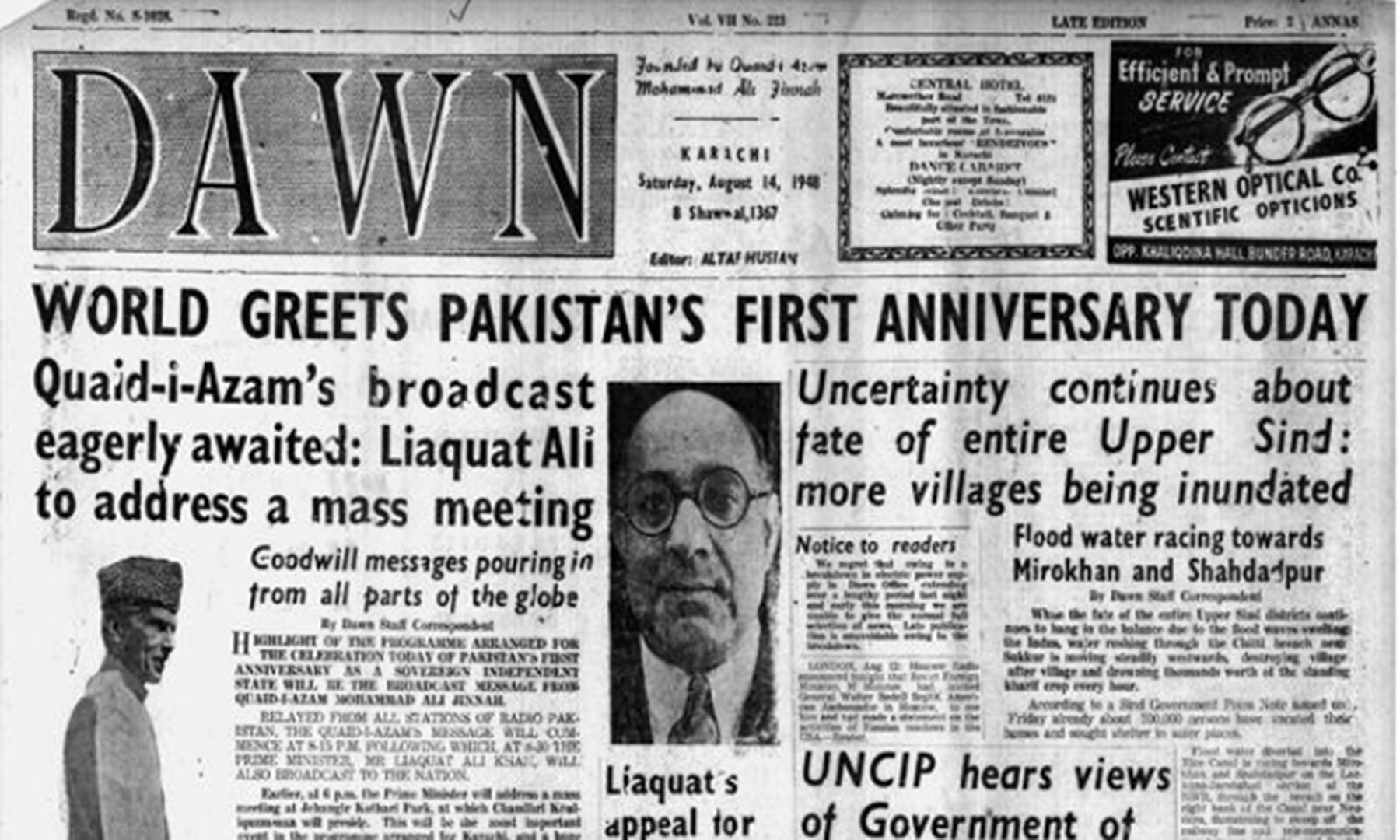
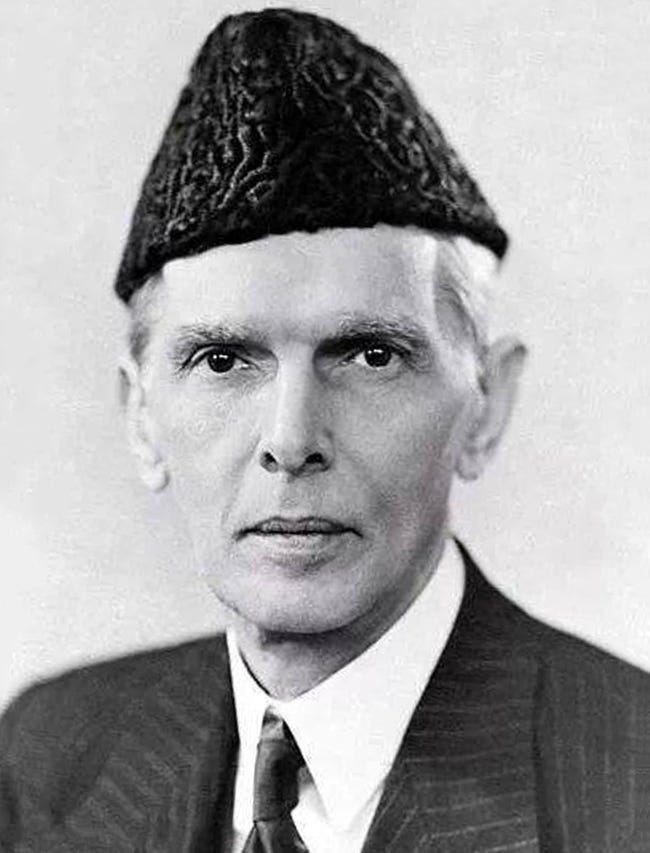
Despite their popularity waning, newspapers still play an influential role regardless of where they lie on the political spectrum and which country they represent. Let’s take Pakistan’s Dawn for example. Dawn is not a newspaper but rather an institution founded by Muhammad Ali Jinnah, given the honorific Quaid-e-Azam (father of the nation). It is considered the country’s paper of record. The newspaper signifies what could be termed as the country’s high culture. Many people who take Pakistan’s civil services exam, which is commonly known as CSS, are recommended to read the newspaper as essential reading particularly its editorials.
In Pakistan and I’m sure in many other countries, there are newspapers that are for lighter reading and they too have an important role to play. It’s for people who are busy, short on time, or commuting. One such example that comes to mind is Pakistan Today which is only eight pages. They have an amazing business magazine called Profit, which I should specifically mention here. What I like about Profit is that the business terminology is easy to understand and caters to a Millennial and Gen Z audience. This is in comparison to another respected financial daily, Business Recorder, which targets an older, industry-specific audience.
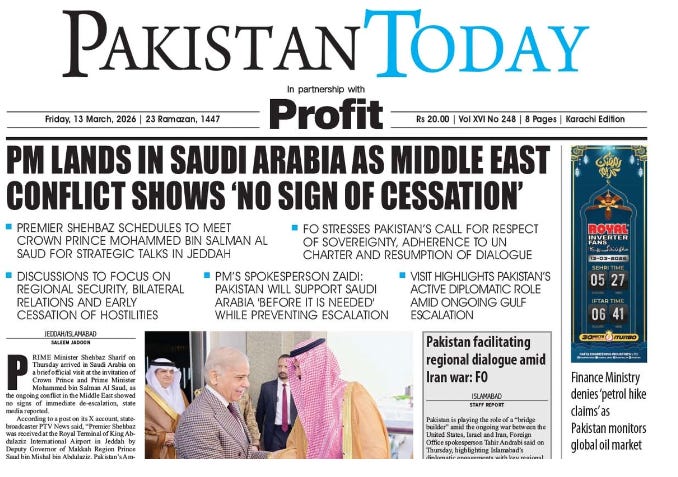
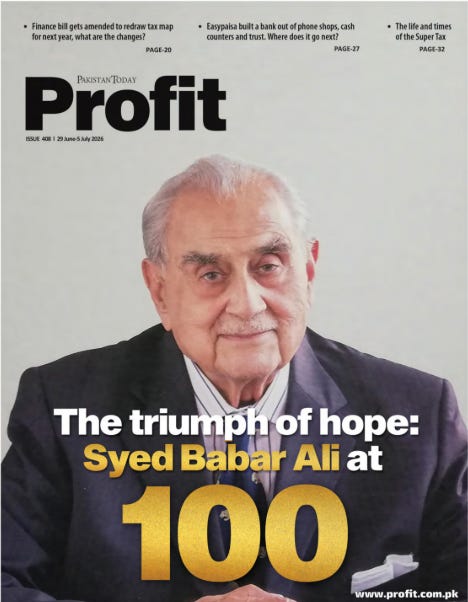
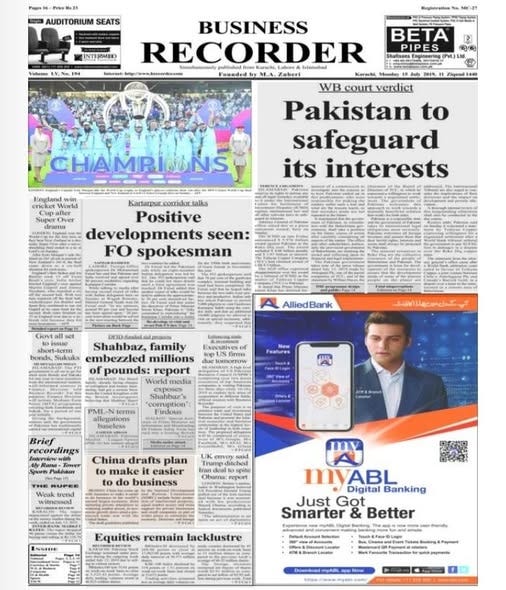
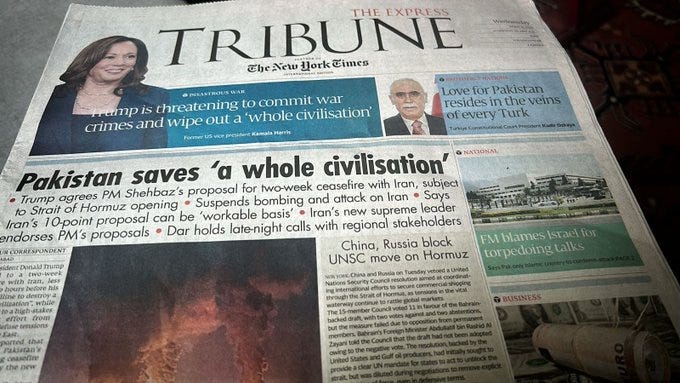
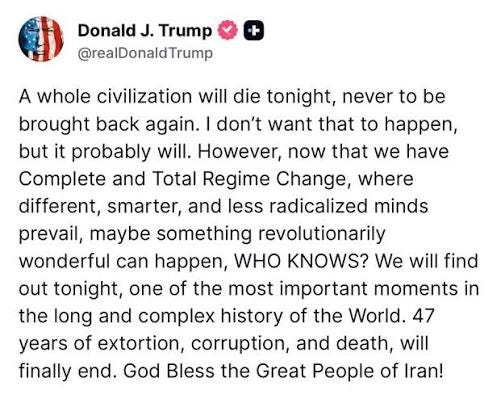
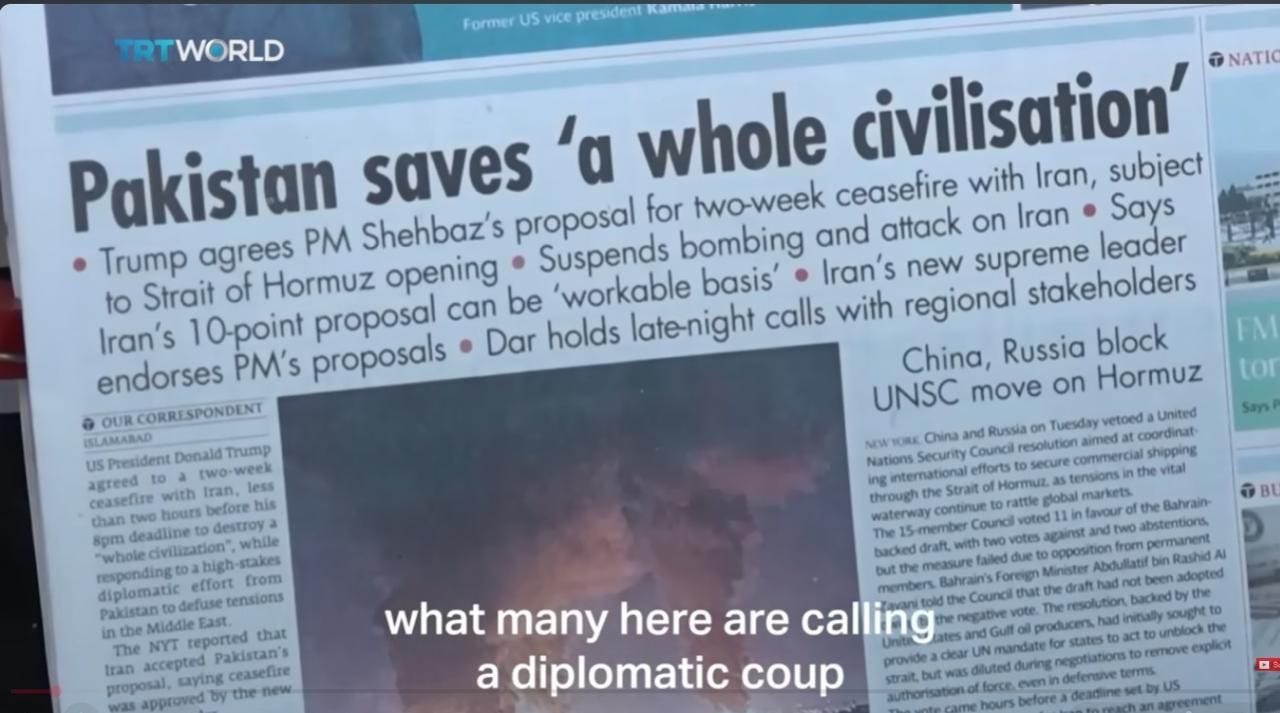
In digital and broadcast media, information can be updated or corrected, something that is not possible in print. If something is printed, it always remains on record, despite a clarification being made in another edition. That is why many people who work in newspapers (and in magazines even) have to make sure to leave no margin for error and there is also the case when their work pays off and becomes a trending topic. In April, during the US-Iran War, one of Pakistan’s leading English dailies, The Express Tribune, published a remarkable headline “Pakistan saves a whole civilisation”, a tongue-in-cheek reference to US President Donald Trump’s warning that a “whole civilization will die” if Iran does not make a deal. The popularity of the headline was even picked up by international media including TRT World and Anadolu Agency.
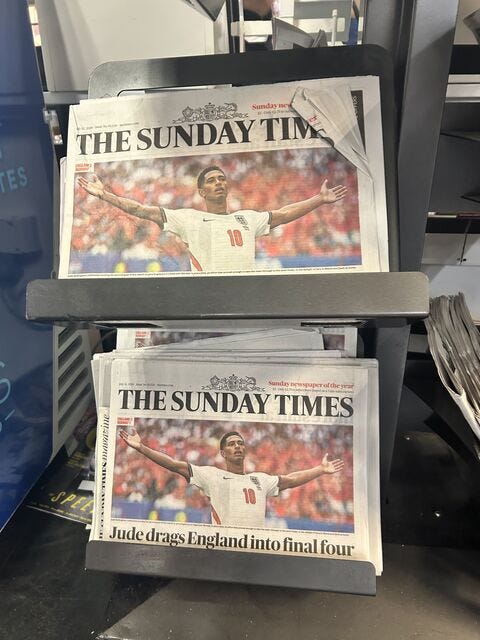
That same pressure, getting it right the first time, on deadline, is what makes stories like this one, from Sunday Times news editor Becky Barrow, worth sharing.
On her LinkedIn, she wrote regarding England’s win over Norway during the 2026 FIFA World Cup quarterfinal in which English player Jude Bellingham played a prominent role:
Such is the brilliance of newspapers.